Case Study
tigerlab Website & Brand Refresh

Context
As tigerlab’s product portfolio matured, the existing website no longer reflected the company’s direction, technical depth, or focus on modernising insurance platforms. Messaging was fragmented, product value was unclear, and the visual identity lacked cohesion across touchpoints.
The goal was to create a website and brand system that clearly communicated what tigerlab builds, who it’s for, and why it can be trusted—without relying on heavy marketing language or over-designed visuals.
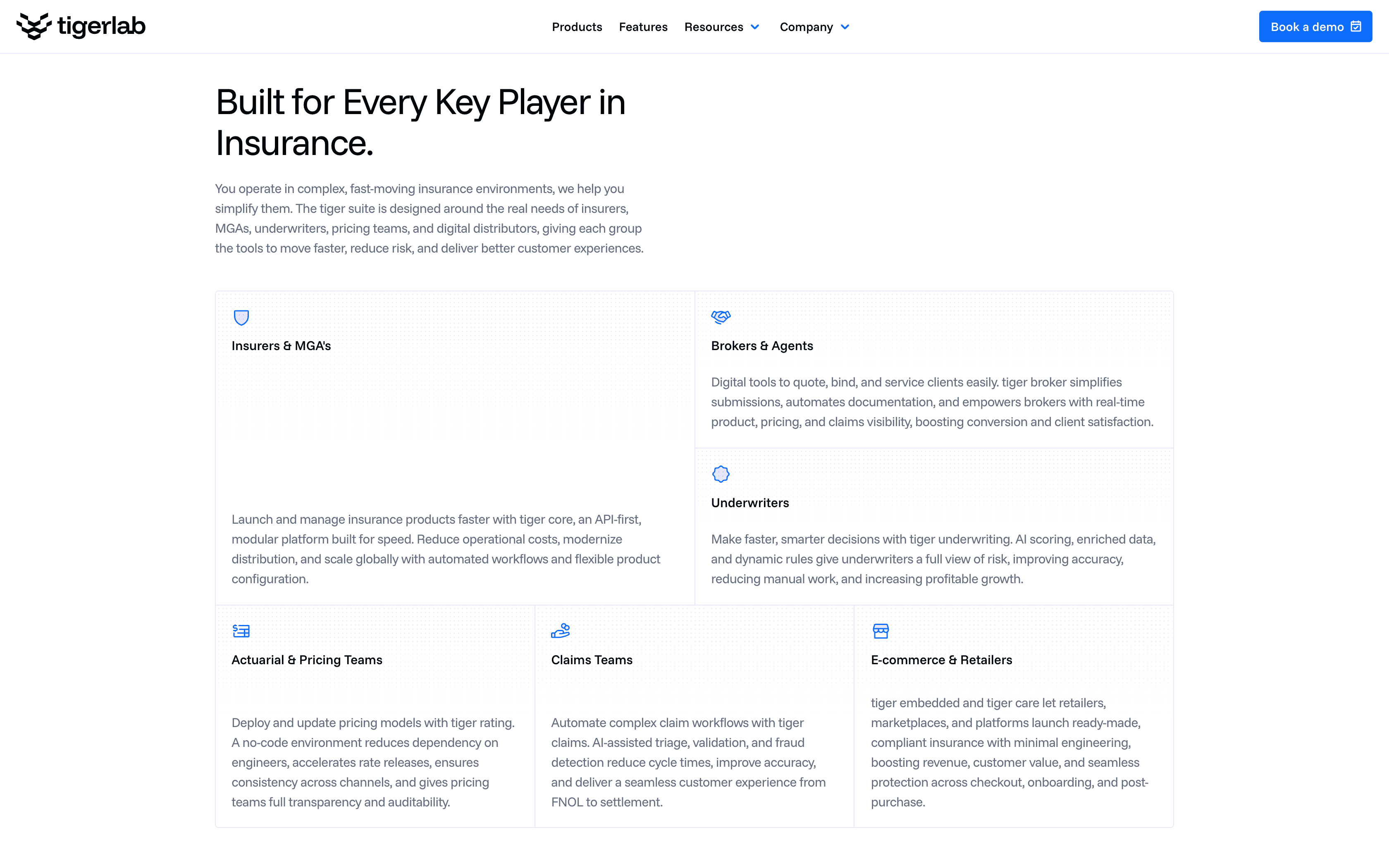
The site needed to speak to insurers, brokers, and underwriters alike, balancing enterprise credibility with a modern, approachable tone.
Role:
Product Designer & Builder
Timline:
2025-2026
Scope:
Website, brand system, product storytelling
Industry:
Insurance technology
Approach
The project began with positioning rather than visuals.
Key decisions included:
Clarifying the core product offering and modular platform structure
Simplifying messaging to focus on outcomes, not features
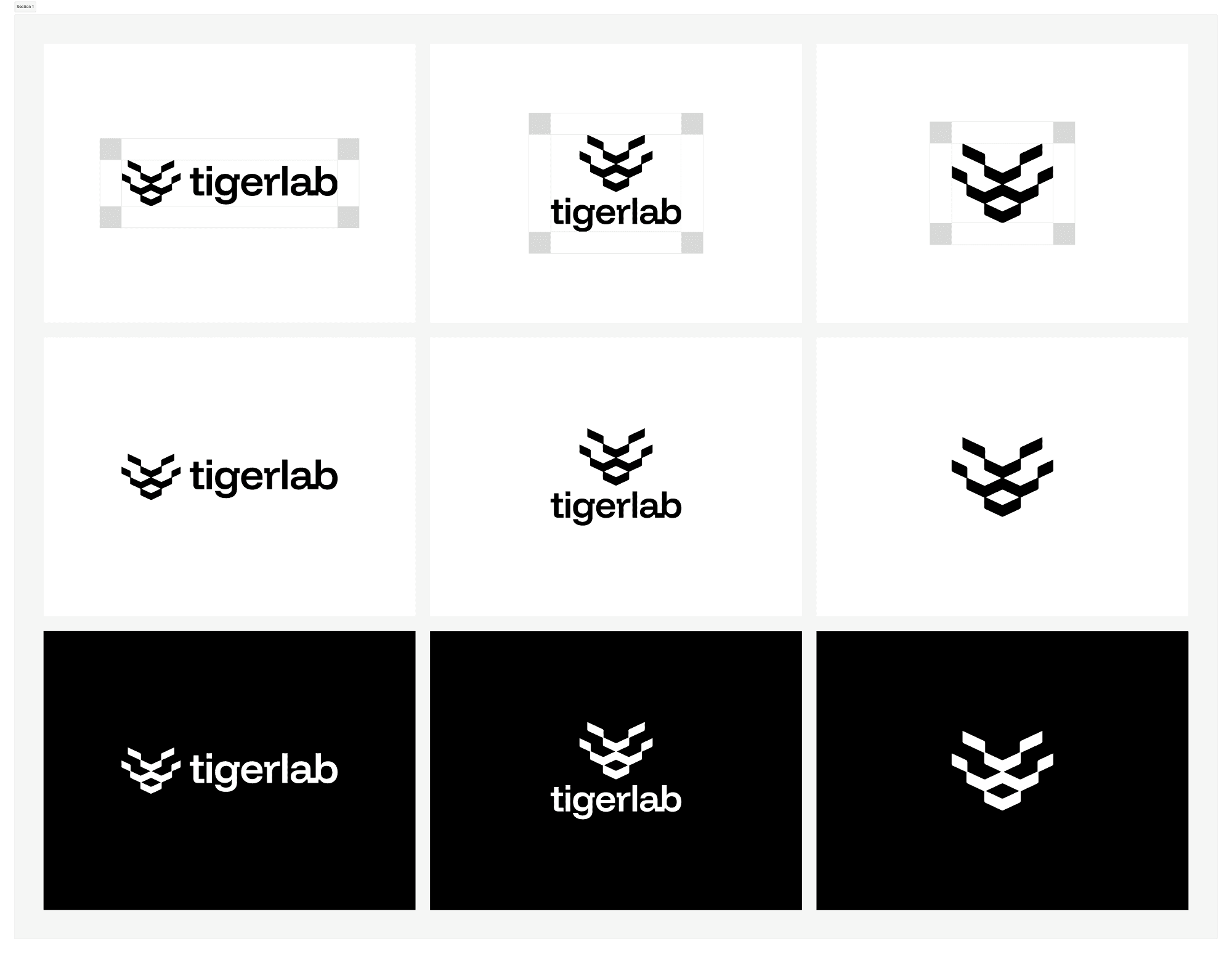
Designing a flexible brand system that could scale across products
Using layout, typography, and hierarchy as primary brand tools
Rather than treating the website as a marketing layer, it was approached as a product surface—designed to guide users through complex information with clarity and intent.
Close collaboration with product, engineering, and leadership ensured alignment between what was presented externally and how the products actually worked.









Outcome
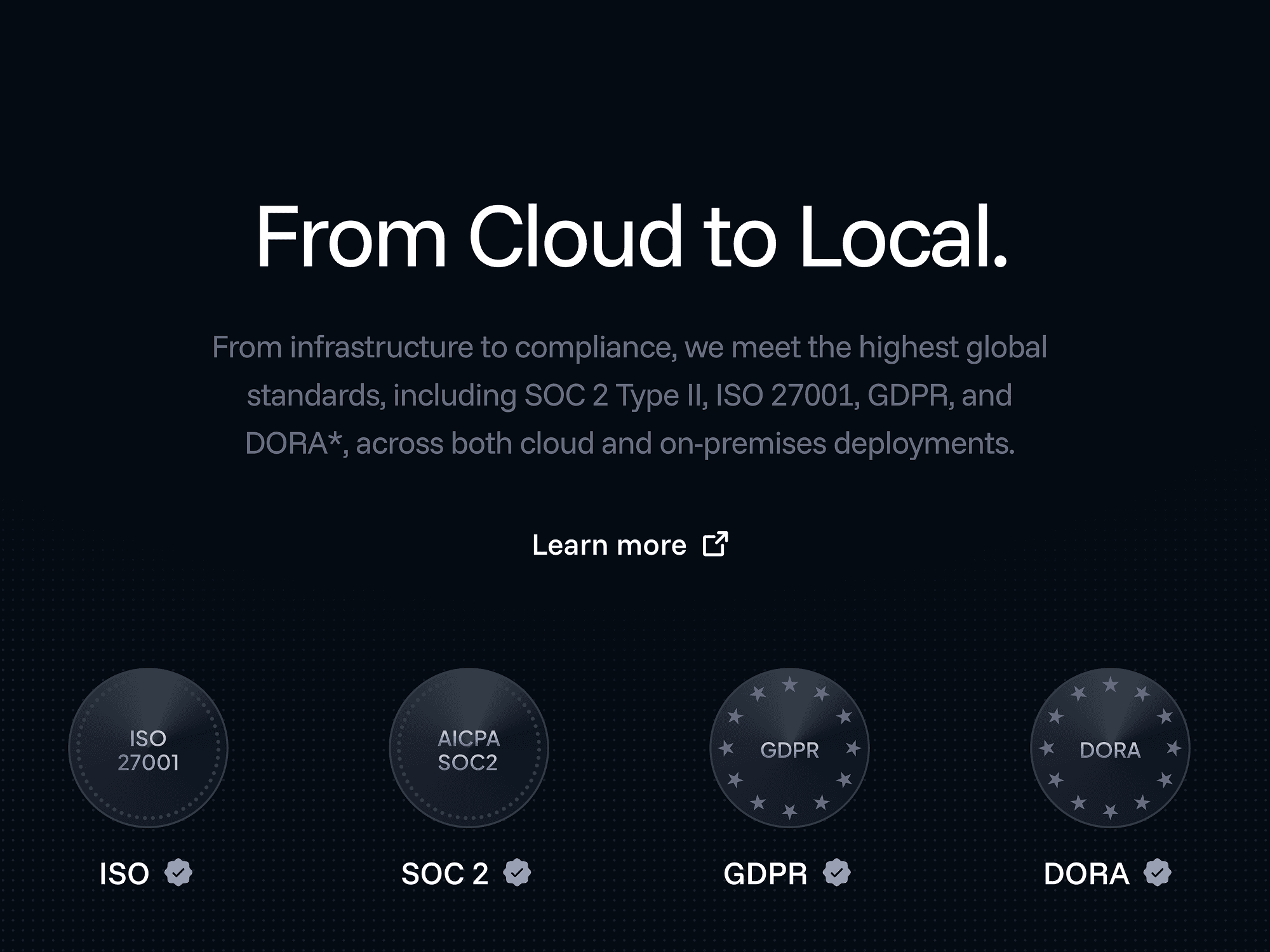
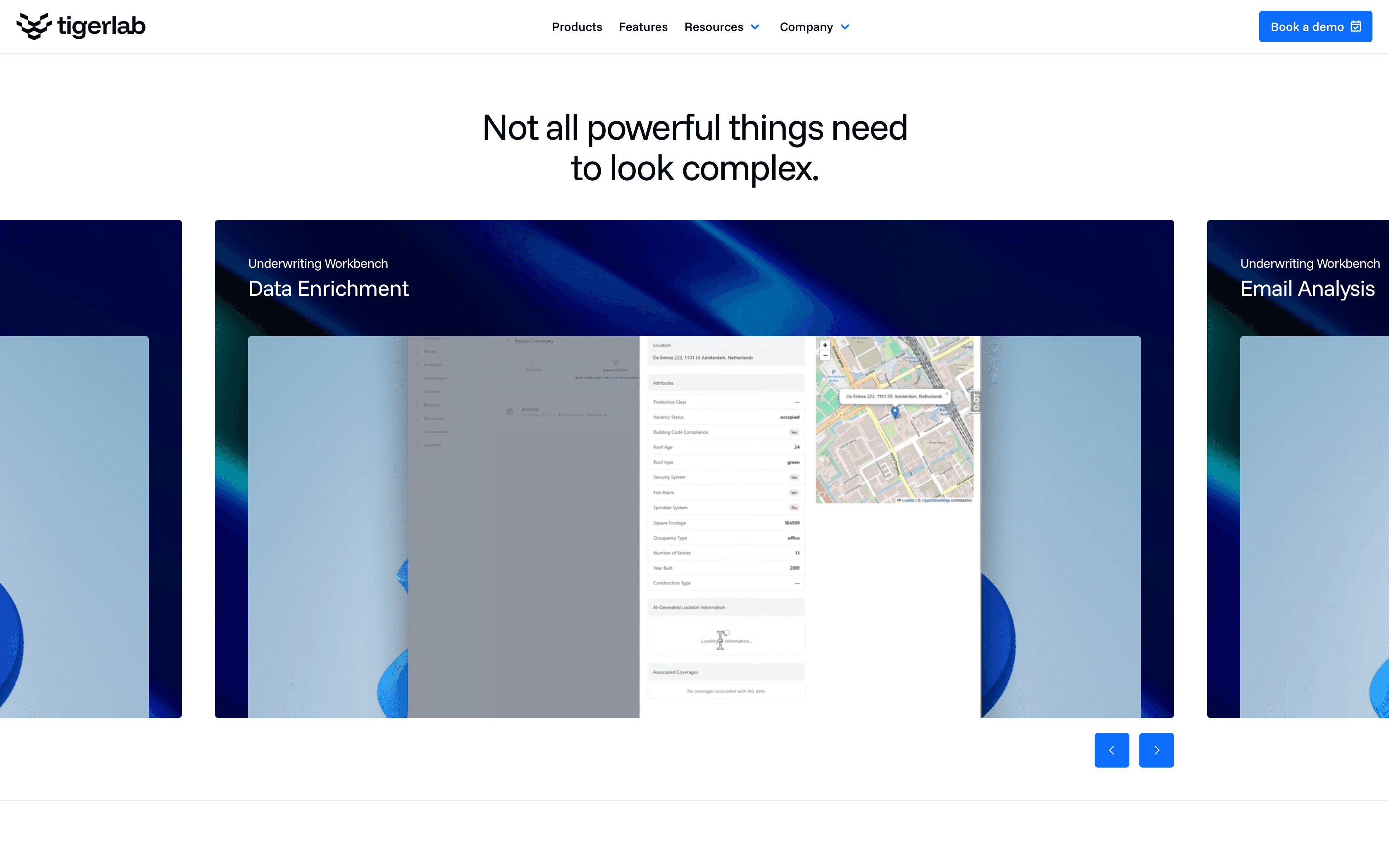
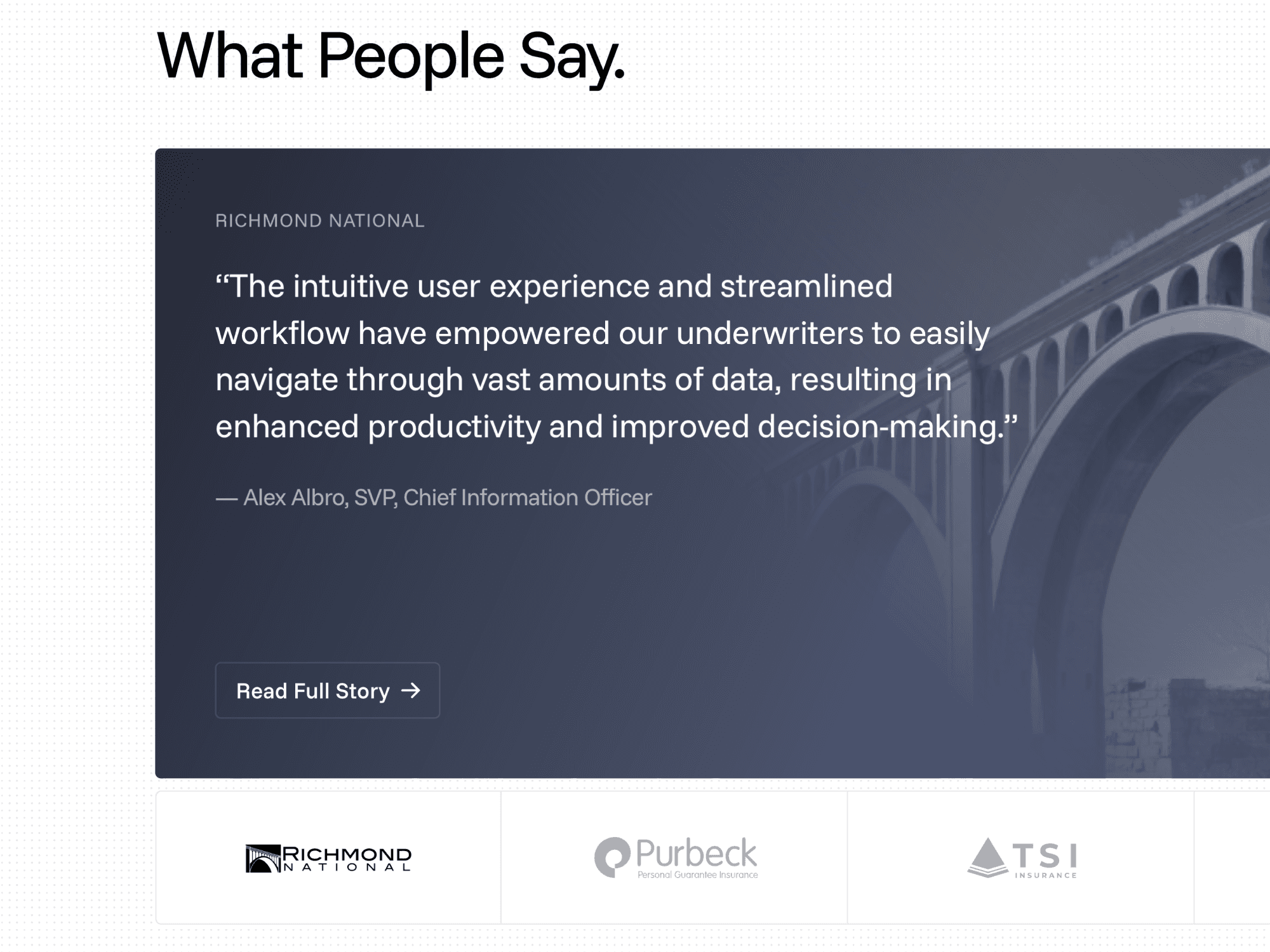
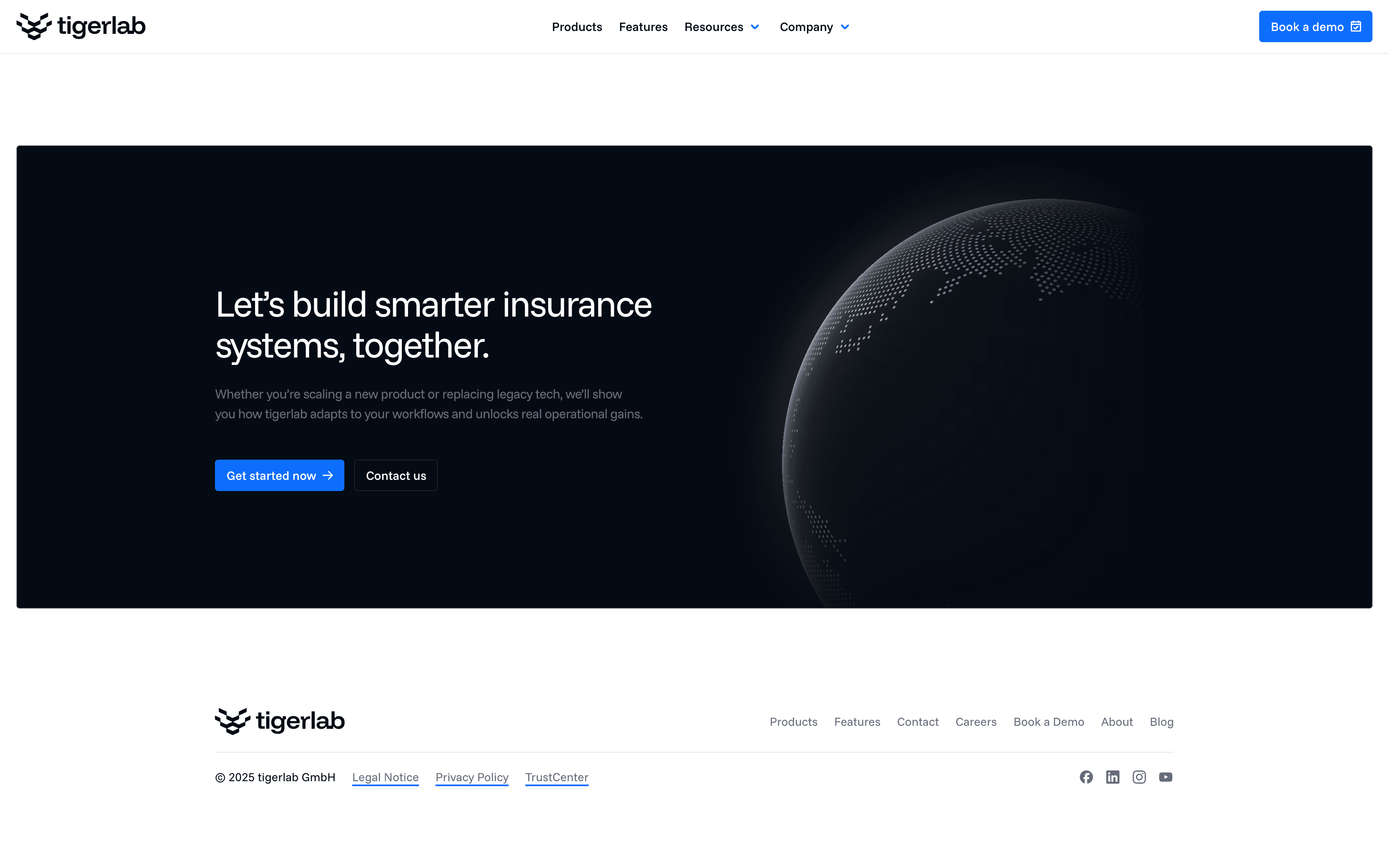
The redesigned website established a clearer, more confident presence for tigerlab—better reflecting its role as a product-focused technology partner in the insurance industry.
The new structure improved product discoverability, strengthened trust with enterprise audiences, and provided a scalable foundation for future content, marketing, and product launches.
Beyond the website itself, the refreshed brand system created alignment across digital touchpoints and internal teams.
Reflections
Working on tigerlab.com reinforced the importance of treating brand and website design as strategic tools, not decorative layers. Clarity, consistency, and restraint proved more effective than visual complexity—especially in regulated, high-stakes industries.
© 2026 Murat Khamitov